
There is a fascinating article in Dominicana, which is a student
publication of one of the Dominican provinces; actually the one in the
Northeast of the US, the St. Joseph Province. The article should be of
interest to we lovers of reading. The article is called "Why
Read?" by Br. Simon Teller, O.P. You can read it here.
The article addresses the new nature
of reading that the internet has created and then reflects on the implications
of reading sacred scripture. Brother Teller first brings up a quote from
a Rhodes Scholar that characterizes this new reading culture: "I
don't read books ... I go to Google, and I can absorb relevant information
quickly,” as quoted in The Shallows.
First in good Dominican fashion (per
St. Thomas Aquinas), Br. Teller provides substance to the opposing argument:
To our Rhodes Scholar's point: power-reading has its
advantages. Why waste time reading a book cover-to-cover, when the same
information can be found by a few deft Google Books Searches? Does it really
matter how we read, as long as we are coming away with the same information?
But to the good Brother of the Order
of Preachers it does matter when it comes to reading sacred scripture.
Here he presents the counter argument, which is the thesis of his argument:
TO THE CONTRARY, "In the sacred books, the Father who
is in heaven comes lovingly to meet his children, and talks with them"
(Dei Verbum, 21).
The way we relate to words matters, because God has chosen
to reveal himself in writing. In a sense, God is "incarnate" in the
words of Scripture.
I'm not going to quote the entire
article, but I think Brother Teller's main thrust is this:
But God's revelation of himself through the Scriptures can't
be reduced to the mere communication of data. Revelation doesn't just mean that
God has told us about himself, but that God is inviting us into a personal
relationship with him. When you read the inspired words with faith, you step
into an ongoing dialogue. For God speaks to each of us personally through the
Scriptures.
I completely agree with Brother
Teller. There is very little argument against his point when it pertains
to sacred scripture. I think we could all agree with that. But
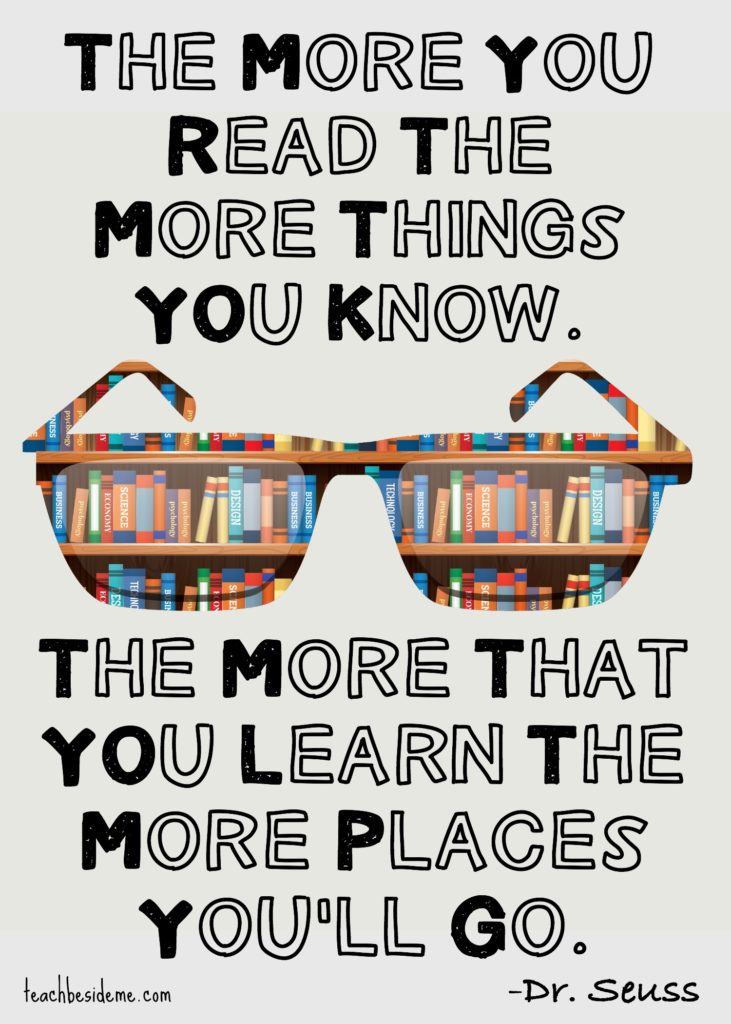
frankly I think that Rhodes Scholar's point is preposterous. To say one
gets the same knowledge from a three page Wikipedia entry that one gets from a
three hundred page book is obviously fallacious. Just consider the
context of the subject that isn't developed, the counter-arguments, secondary
sources, and so on. Because I read a Wikipedia entry (and I do rely on
them and love them) does not mean I understand the full issue. I've
absorbed nuggets and nuggets without full context are like nuggets that are too
small and will wash away through a sieve. Yes, you may get some
information, but it is not knowledge. If this is what scholarship has
evolved to, I'm flabbergasted.
Kerstin on Goodreads Commented:
I don't think this Rhodes
"Scholar" is much of a scholar. It looks like someone who has
perfected the way of cutting corners. As you say, data collection doesn't equal
knowledge. But this is how in a reductionist and materialist world our young
people are taught to think. It is all part of simply consuming what others have
written or presented without critically diving into the subject matter
yourself. Being stuffed to the brim with only facts makes for a sorry human
being when knowledge, wisdom, virtue and morals are missing.
My Reply to Kerstin:
I know. He isn't much of
a scholar. I wonder how wide spread that is. I could see myself in college
doing it too, but I wouldn't be bragging about it.
After I posted my
original comment, I thought of a perfect example. Remember when we did the Divine Comedy last year? Now how could
anyone get the same understanding of the work by just reading the Wikipedia
entry? Yes, the internet summaries might help to enlighten on something that
just didn't sink in, but you would never pass on the actual text and claim you
read it and understood it
