Jesus had finished his ministry in Galilee
and now heads toward Jerusalem.Still in
the north, they stop on the way to Caesarea Philippi, a region which is
associated with Roman Imperial power, and Jewish accommodation to Roman
rule.Ruler of Caesarea Philippi at the
time was the son of King Herod the Great, Philip the Tetrarch.So I think it is important to note that Jesus
asks who people say He is here against the secular power and authority.
Jesus and his
disciples set out
for the villages of
Caesarea Philippi.
Along the way he asked
his disciples,
"Who do people
say that I am?"
They said in reply,
"John the
Baptist, others Elijah,
still others one of
the prophets."
And he asked them,
"But who do you
say that I am?"
Peter said to him in
reply,
"You are the
Christ."
Then he warned them
not to tell anyone about him.
He began to teach them
that the Son of Man
must suffer greatly
and be rejected by the
elders, the chief priests, and the scribes,
and be killed, and
rise after three days.
He spoke this openly.
Then Peter took him
aside and began to rebuke him.
At this he turned
around and, looking at his disciples,
rebuked Peter and
said, "Get behind me, Satan.
You are thinking not
as God does, but as human beings do."
He summoned the crowd
with his disciples and said to them,
"Whoever wishes
to come after me must deny himself,
take up his cross, and
follow me.
For whoever wishes to
save his life will lose it,
but whoever loses his
life for my sake
and that of the gospel
will save it."
~Mk 8:27-35
I’ve been searching
for new people to provide insight into the Gospel passages, and this homily by Fr.
Stephen Koeth, C.S.C. I thought insightful and very passionate.Fr. Stephan belongs to the Congregation of the
Holy Cross, and he really explains the connection to the cross that is alluded
to in the Gospel passage.Here is Fr. Stephan’s homily.
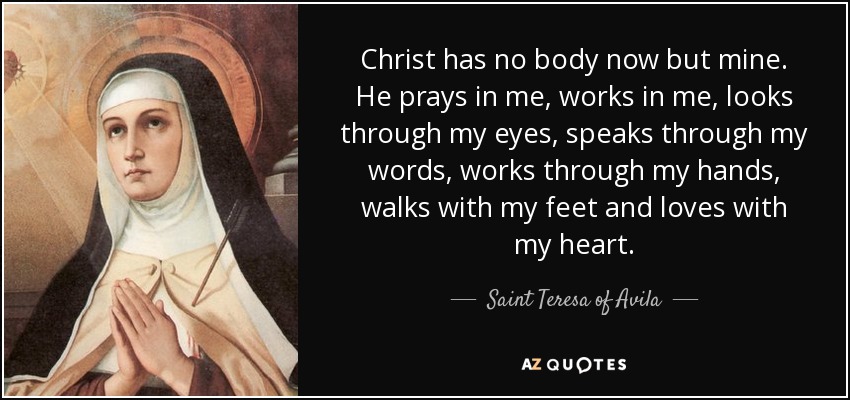
I think we should also interpret this passage in light of yesterday’s feast day, The Exultation of the Holy Cross.
Sunday Meditation: “Whoever wishes
to come after me must deny himself”
How appropriate is this song, “Take Up Your
Cross” by John Michael Talbot.
This
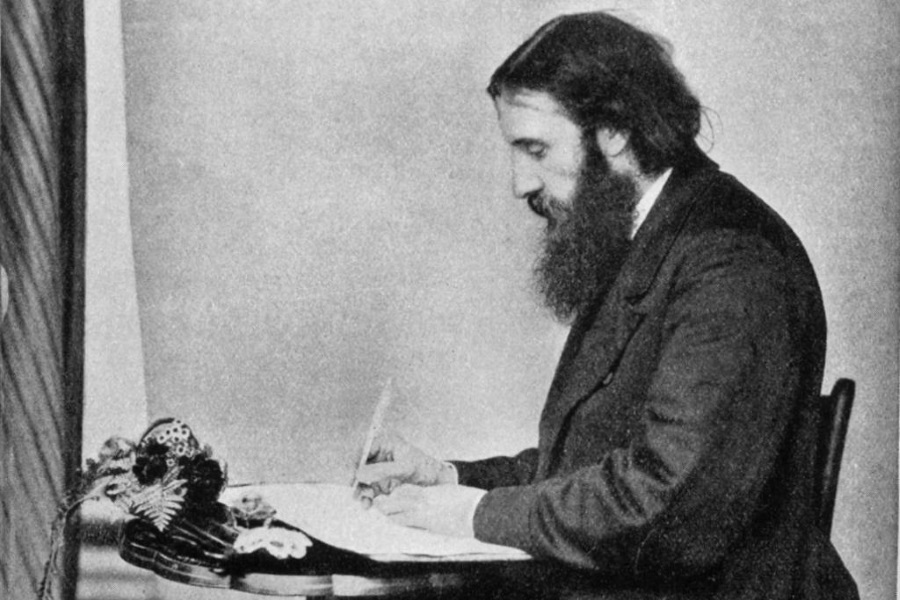
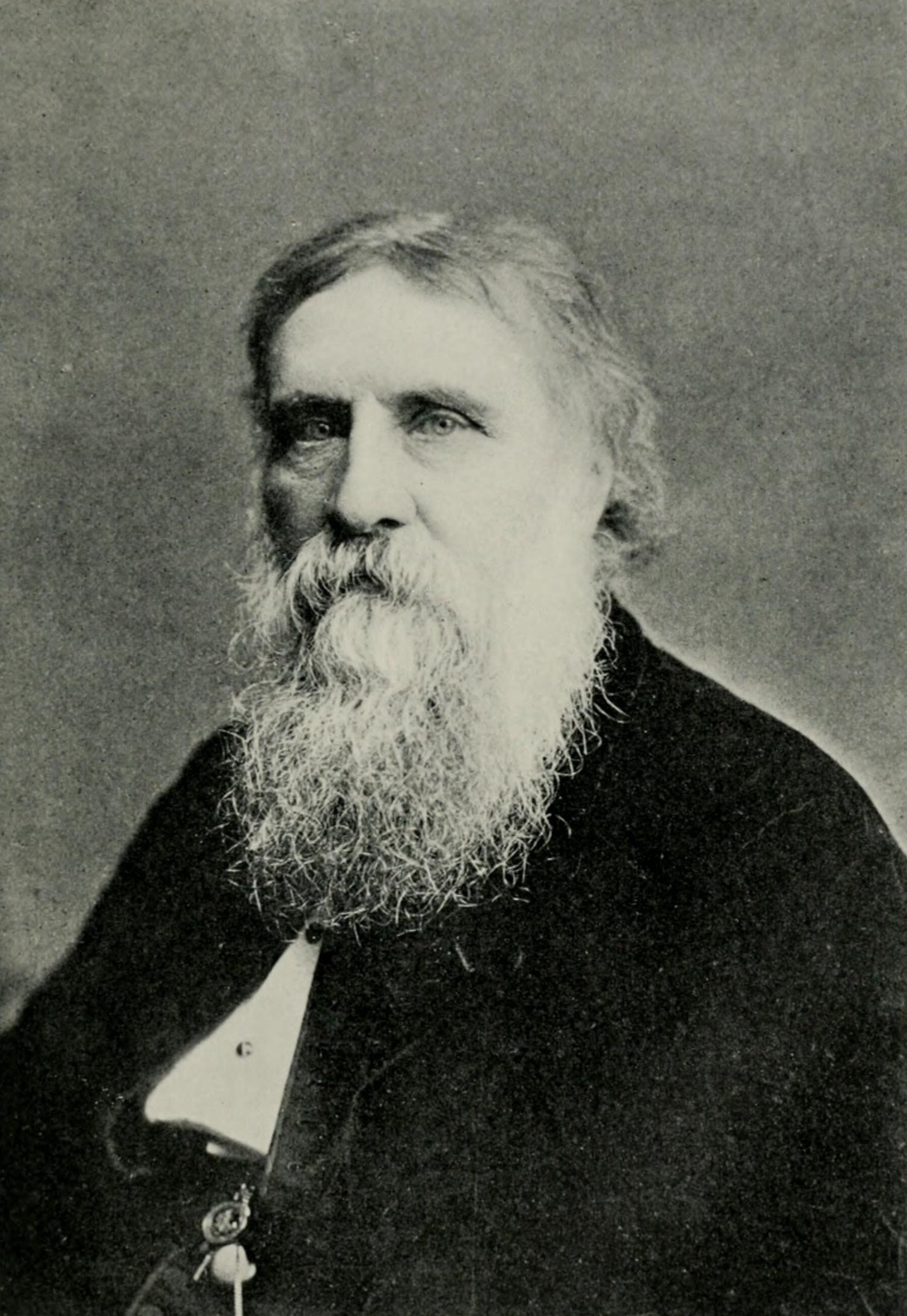
is the second post of George MacDonald’s collect of Christmas poems and short
stories under the book title, My Little
King.
You
can read Post #1, on the poem, “A Christmas Carol,” here.
This
post will focus on the short story, “The Gifts of the Child Christ.”You can read the story online at The Literature Network, here.Or you can hear it being read through Librovox.
The
following summary was put together in collaboration with my co-moderator at the
Catholic Thought Book Club, Kerstin.
Summary
Mr. Greatorex is a
widower of about 30 and remarried. The couple is unhappy. He has a daughter
from his previous marriage, Sophy, who is neglected by the couple and most of
the household. Even her nurse, Alice, is pre-occupied with the prospect of
inheriting a large sum of money.
Sophy is a pious child.
Their preacher has a recurring theme in his Sunday sermons, “the chastening of
the Lord”, which makes a deep impression on her innocent mind. She wishes that
the Lord would chasten her.
Mrs. Greatorex is
pregnant and on Christmas night she gives birth to a stillborn boy. Early in
the morning the household finds Sophy with her lifeless brother on her lap in a
Pietà–like position.
In a parallel sub-plot, Alice,
the Greatorex’s servant, anticipates a
large inheritance from her uncle and leaves the service of the Greatorexes. Her
new found wealth creates a change in her that now she feels above her fiance
John and breaks up with him. In a twist of the plot, her “inheritance” turns
out to be a ruse, and now 'chastened', returns to John and her employers. She
will be at the Greatorex’s home when the stillborn child is found.
###
Celia
Commented:
This story, though sad,
does end up on a positive note. Especially noteworthy is Sophy's attitude about
Christmas: she is looking for the Christ Child, not presents. A very wise 9
year old.
My
Reply to Celia:
I thought Sophy was five
years old. Where did you see nine?
Celia’s
Reply:
I looked again and she is
7.How did I get Sophy's age? From this
excerpt.
"Some six years
before, he had married to please his parents; and a year before, he had married
to please himself."
I assume Sophy is 7,
maybe 6.
Kerstin
Commented:
Now we have to tie in how
the "chastening of the Lord" fits in.
Sophy, who is the most
innocent of all and desires this correction - even though she may not even
understand what is meant here - really has no need of it. It is the family
around her who have fallen into dysfunctional behavior patterns.
Mr. and Mrs. Greatorex
live parallel lives, they are absorbed and closed off to each other with their
own selfishness. It is not a relationship of mutual giving. The repercussions
of this self-isolation is spilling over in how they neglect Sophy.
Alice is so self-absorbed
and blinded by the promise of monetary riches and social status that she no
longer recognizes the intangible riches of marrying a good man.
It is a household barren
of love. Letty's child dies because there is no love, the self-giving necessary
to nurture life. It is fitting that all this happens during Christmas night,
for during this night Love is born. The coming of the Savior marks a
demarcation line of what was before and what comes after. Only now can Love
break in and heal this family from their self-destruction. But there is a real
cost too. The sins of this previous life truly happened, and the pain and
suffering they brought need to be transformed and redeemed. Sophy's Pietà–like
posture points to this.
###
My
Comment:
I think everyone has
mentioned all the bright spots of the story. Let me mention a couple of
negatives.
(1) The baby was
relatively a surprise. You have to search to find that Letty might even be
pregnant. There is no detail of of Letty's pregnancy. The most I could find is
that she wanted to give her husband a son.
(2) Where is any detail
of the birth? If the baby was still born, who cleaned it up? Where were the
post birth fluids? Was the baby still born or just died in infancy? I cannot
tell. At first I thought Sophy had smothered it by accident. But that couldn't
be it.
(3) Once the dead baby
has been found, where is the horror and shock? For a moment Alice runs to her
boyfriend crying, but once the baby is taken away, they have a conversation
about her inheritance as if nothing has happened. There was a dead baby in the
room moments before and they are talking about inheritance?
(4) Where is Letty's
reaction to the dead baby? She's in her room crying and when her husband comes
in and sooths her, it's all alright, just like that? It's all ok after an hour
or two?
I found the ending of the
story bizarre and lacking and really unclear in detail.
My
Comment:
This is not a criticism,
but something I can't understand how it fits. The name "Greatorex" is
unusual, definitely not an English/Scottish name, and almost certainly
contrived to have some significance. But what? "Rex" is Latin for
king. So "Great king"? Why? Ironic? Alluding to the king who will be
born at Christmas?
Kerstin
Replied:
I was wondering about
this too. If it is a play on words, were they making themselves greater than
God?
Keith
Replied:
Hello everyone. Just
joining in this read. I wonder if the almost casual nature of the response to
the baby’s death reflects how much more common it was in the 19th century for
babies to die at birth or to be born dead.
And perhaps the reticence
about Letty’s pregnancy and the specifics of the birth reflects how one did not
speak of such things in those days. I wonder how MacDonald speaks of pregnancy
in his other works? This is the first I’ve read of his.
My
Reply to Keith:
Well, that could be about
infant mortality being more common then. It's still rather bizarre to me. I
thought about the reticence of bodily things in Victorian times, but still
there has to be some detail, even if it's oblique or a euphemism. I didn't see any.
Kerstin
Replied:
George MacDonald was a
protestant minister. Six of his eleven children died before he did, five in
infancy. Looking at the passage more closely, I think we find that the tragedy
that has befallen the Greatorex household is felt very keenly.
Her mistress was again
taken ill. Doctor and nurse were sent for in hot haste; hansom cabs came and
went throughout the night, like noisy moths to the one lighted house in the
street; there were soft steps within, and doors were gently opened and shut.
The waters of Mara had risen and filled the house.
Towards morning they were
ebbing slowly away. Letty did not know that her husband was watching by her
bedside. The street was quiet now. So was the house. Most of its people had
been up throughout the night, but now they had all gone to bed except the
strange nurse and Mr. Greatorex.
The “waters of Mara” are
out of Exodus 15:22 – 27. Israel had just crossed the Red Sea and they couldn’t
find any fresh water for three days. Then at Marah the water they found was
bitter. Moses threw a piece of wood into the water and it was made fresh. This
reference not only points at the Passion, but is also about suffering at its
most dire, the lack of life-giving water.
My
Reply to Kerstin:
Yes, I remember reading
that. Did anyone realize she was pregnant then? I think she was ill frequently
in the story but it went unexplained.
That's an interesting
detail from MacDonald's bio. Yes, I can see how he might be projecting into the
scene.
By criticizing the
casualness of the baby's death in the story, I don't mean to imply that MacDonald
was not compassionate to babies dying. I'm criticizing the way he rushed to
conclude his story. It felt he was just trying to bring it to a close and
provided a simplified wrapping up of the story.
Kerstin
Replied:
I had a hunch Liddy was
pregnant, though it wasn't confirmed until Sophy finds the baby. Her not
feeling well again - for a young married woman that usually means morning
sickness - and then the activity going on in the house during the night, made
me wonder.
###
My
Comment:
So here’s an interesting
question.The story is titled “The Gifts
of the Christ Child.”Now who is the
“Christ child”?Is it simply the Christ
whose birth they are celebrating?Is it
Sophy?Is it the dead baby?
Certainly it’s Christmas
Day, so baby Jesus does enter the scene metaphysically.But I think you could make the case that both
Sophy and the dead baby are Christ figure types.
The dead baby is probably
most obvious.Sophy’s discovery of the
child is worth quoting.
The room next the foot of
the stair, and opposite her step-mother's, was the spare room, with which she
associated ideas of state and grandeur: where better could she begin than at
the guest-chamber?—There!—Could it be? Yes!—Through the chink of the
scarce-closed door she saw light. Either he was already there or there they
were expecting him. From that moment she felt as if lifted out of the body. Far
exalted above all dread, she peeped modestly in, and then entered. Beyond the
foot of the bed, a candle stood on a little low table, but nobody was to be
seen. There was a stool near the table: she would sit on it by the candle, and
wait for him. But ere she reached it, she caught sight of something upon the
bed that drew her thither. She stood entranced.—Could it be?—It might be.
Perhaps he had left it there while he went into her mamma's room with something
for her.—The loveliest of dolls ever imagined! She drew nearer. The light was
low, and the shadows were many: she could not be sure what it was. But when she
had gone close up to it, she concluded with certainty that it was in very truth
a doll—perhaps intended for her—but beyond doubt the most exquisite of dolls.
She dragged a chair to the bed, got, up, pushed her little arms softly under
it, and drawing it gently to her, slid down with it. When she felt her feet
firm on the floor, filled with the solemn composure of holy awe she carried the
gift of the child Jesus to the candle, that she might the better admire its
beauty and know its preciousness. But the light had no sooner fallen upon it
than a strange undefinable doubt awoke within her. Whatever it was, it was the
very essence of loveliness—the tiny darling with its alabaster face, and its
delicately modelled hands and fingers! A long night-gown covered all the
rest.—Was it possible?—Could it be?—Yes, indeed! it must be—it could be nothing
else than a real baby! What a goose she had been! Of course it was baby Jesus
himself!—for was not this his very own Christmas Day on which he was always
born?—If she had felt awe of his gift before, what a grandeur of adoring love,
what a divine dignity possessed her, holding in her arms the very child
himself! One shudder of bliss passed through her, and in an agony of possession
she clasped the baby to her great heart—then at once became still with the
satisfaction of eternity, with the peace of God. She sat down on the stool,
near the little table, with her back to the candle, that its rays should not
fall on the eyes of the sleeping Jesus and wake him: there she sat, lost in the
very majesty of bliss, at once the mother and the slave of the Lord Jesus.
That is perhaps the best
written passage in the entire story.The
baby is described in Christ allusions: “Through the chink of the scarce-closed
door she saw light.”“…she concluded
with certainty that it was in very truth a doll…”“…filled with the solemn composure of holy
awe she carried the gift of the child Jesus to the candle…”“Of course it was baby Jesus himself!—for was
not this his very own Christmas Day on which he was always born?”“If she had felt awe of his gift before, what
a grandeur of adoring love, what a divine dignity possessed her…”“then at once became still with the
satisfaction of eternity, with the peace of God…” and finally, “there she sat,
lost in the very majesty of bliss, at once the mother and the slave of the Lord
Jesus.”
And then when Sophy
awakes to realize the dead baby, she proclaims Christ’s death.
“Jesus is dead,” she
said, slowly and sadly, but with perfect calmness. “He is dead,” she repeated. “He
came too early, and there was no one up to take care of him, and he’s
dead—dead—dead!”
The thrice pronouncement
of “dead—dead—dead” echoes the thrice incantation of the Agnus Dei.It’s a reference to Christ’s sacrifice and
the redemption of the world.Through the
baby’s death, all the characters are redeemed.
So how is Sophy a Christ
figure?
But she did not read far:
her thoughts went back to a phrase which had haunted her ever since first she
went to church: "Whom the Lord loveth, he chasteneth."
Later she thinks, “I wish
he would chasten me.”To chasten is “to
correct by punishment or suffering.”(Webster’s Dictionary) with the connotation of purifying.And frequently she says, "If the Lord
would but chasten me!"The
frequency of Sophy’s wish to be chastened is a leitmotif, a recurring phrase
that accompanies her and characterizes her.When Alice is struggling because of her humiliation, Sophy turns to her:
"Is the Lord chastening Alice? I wish he would chasten Phosy."Sophy becomes the “suffering servant,” taking
on the sins of the world, or at least those around her.And so when she sits with the lifeless baby
she associates with being chastened:
She sat for a time still as marble waiting for
marble to awake, heedful as tenderest woman not to rouse him before his time,
though her heart was swelling with the eager petition that he would ask his
Father to be as good as chasten her. And as she sat, she began, after her wont,
to model her face to the likeness of his, that she might understand his
stillness—the absolute peace that dwelt on his countenance.
She for a moment becomes
Jesus.Indeed through Sophy her father
is transformed.
And every day, as he
looked in her face and talked to her, it was with more and more respect for
what he found in her, with growing tenderness for her predilections, and
reverence for the divine idea enclosed in her ignorance, for her childish
wisdom, and her calm seeking—until at length he would have been horrified at
the thought of training her up in his way: had she not a way of her own to
go—following—not the dead Jesus, but Him who liveth for evermore?
Her childish wisdom is
divine wisdom.She too is a childChrist.
Friday, September 25th, was the Papal Mass and it was quite a
day. I got into Manhattan slightly after
noon. The information packet said to be
there around two PM but I had no idea what the traffic would be like. They were saying that the city would pretty
much be locked down. What I typically do
when I go into the Manhattan for something or other is drive over to Brooklyn—I
live across the Verrazano Bridge in Staten Island—park the car near a subway
station, and take the subway the rest of the way in. Manhattan traffic stinks and parking is
impossible unless you want to pay at least $50 for the day. I did not run into any slowdowns either on
the drive into Brooklyn or the subway ride to midtown Manhattan. So I was early.
On my walk from the train station to Madison Square
Garden, I grabbed a sausage and peppers sandwich from a hot dog stand—I didn’t
realize hot dog stands sold sausage and peppers now—and a Snapple and leaned
against some building while I wolfed it down.
It was pretty good, but I still felt hungry and came across a pizzeria on
a side street and got a slice as well. The
pizza men didn’t even look Italian--all ethnic groups can make pizza now. Mmm. I
wolfed that down too. I have to say the
food in Manhattan, even off the street and some side street, no-name pizzeria that’s
not run by Italians is delicious.
When I got to the Garden (New Yorkers refer to Madison
Square Garden as “The Garden”) there were tons of people around, including to
my surprise some Protestant evangelizers handing out proselytizing pamphlets,
which I found kind of tacky. I’m mean
really, what are they thinking? If one
is devout enough to go to a Papal Mass, do you think you’re going to convert
because of some street handout?
I was still early at around 12:30-ish but I figured I
would go see where I needed to enter and if I could enter I figured I might as
well sit and read rather than just walk around.
Cops told me I could not enter and that I needed to go to the back of
the line, a line that was building south along the avenue. So I looked to my left and—oh—there was a
line. At the end of the block I started
to get on queue when the last person said the line continued on the next
block. What? OK. I
walked to the back of the next block, and then the next, and then the
next. I went about eight blocks down
before I finally reached the end. And
within short order it kept building behind me.
I don’t know how far behind me it went but ten city blocks in New York
is roughly a half mile, and I think it went beyond that.
And then we waited.
While waiting I bought a Papal flag off a street vendor, a chubby lady
with a Spanish accent and spoke in broken English. My son would love it. Street vendors kept coming by with
stuff. I bought from a tall Caribbean
street vendor in dreadlocks a rosary made of black wooden beads with an image
of St. Benedict on the cross. I bought
it for my mother, who has asked for just such a rosary. I thought the image of St. Benedict was that
of Padre Pio—my mother’s favorite saint—but I realized after I had bought it I
was wrong.
I did read a little while standing but then I struck
up a conversation with the family standing in front of me. It was a family of four—father, mother,
daughter in her teens, and a son maybe around twelve. The son was in a motorized wheelchair and
from what I could tell was a quadriplegic.
His hair was blond and he had glasses and a studious face. I was struck by the way his family took care
of him, fixed his hair that the breeze blew out of place, adjusted his seating
position, took off a jacket when it got warm.
His father even spoke sternly to him when the son insisted on something
or other, just like any father might with any son. They were from out of the City, a good hour
and a half north in a rural area. The
father said they had to get a ride down since the special van he had that
accommodates the son’s wheelchair was taller than standard vans, and, the other
times he drove in, it couldn’t fit in the parking garages and he didn’t think
he could find street parking. It must
have cost them a pretty penny to get a specialized ride down and I assume a
ride home. The mother said over the years her son had
received individual blessings from their priests, their monsignor, their
bishop, and now the Pope. “Who would
have thought?” she said. “We thought the
Bishop would have been the last, but then the Pope came into town.” Their church got them tickets just so their
son could attend. The father did tell
me they used to come down to New York City regularly to bring his son to a
particular hospital for some sort of treatments.
My throat just swelled with emotion for the boy. Internally I kept praying to God to bless
that poor kid. God, may he walk some
day, and God, if we can’t have that miracle, may he have a full and happy
life. Bless him Lord. I never did ask how the son became a
quadriplegic. I assume he wasn’t born
that way. When the line started to move
up we kind of got split up in the walk up to the Garden. It became a bit of a disorganized scramble
and people jumped ahead and others got angry, and I saw the father protecting
his son and making sure his wheelchair wasn’t pushed around by the crowd. Even a set of nuns obliviously cut the
line. Some people shrugged, some people
were miffed. Later, inside, just before
the Mass started I came across the father and daughter seated. I asked about the son and he said he was up
at a balcony for wheelchairs with his mother.
You may ask why I’m giving all this preliminary detail
but I’ll come to that later.
So finally I made it in and seated. Oh that felt good. That was about four PM, so from the time I
got on queue to being seated was three and a half hours. So much for being early. I could have showed up late and gotten in
just the same. My back was hurting, and
so were my feet. Was I upset as some in
the crowd were? No. I have always wanted to go on some sort of pilgrimage,
and if I couldn’t take this burden then what kind of a lousy pilgrim would I
be? I thought for sure I would have
missed the great musical entertainment that was advertised. But no, it hadn’t started yet.
My seat was decent, a bit distant but facing the
stage—which in this case was the altar.
I was seated behind the ground level section of the Garden, in the first
section of the sloping stands. It must
have been fifty yards or so, but I had a direct view and a large screen
directly in front of me.
Before the events started I did go outside the
auditorium and look for souvenirs. Now I
wanted something for myself. I collect
little pins that you can put on a lapel or fishing hat, and unfortunately all
the Papal pins were sold out. “All gone
within an hour,” one vendor said. I
smirked in disappointment. They did have
baseball caps and several types of official rosaries, varying in price. I liked the rosaries. The cheapest one was $45 and it was beautiful
and strong, so I took it. I’ll have to
take a picture of it for another post.
The musical entertainment was exactly those
advertised, and they each performed one song: James D Train Williams, Gloria
Estefan, Kelli O’Hara, Norman Lewis, Jennifer Hudson, and Harry Connick
Jr. They were all brilliant, but I have
to say that Kelli O’Hara’s rendition of The
Lord’s Prayer was incredible. She
was in tears at the end, and so was I. I
had never heard of her but what a voice and how she communicated with it. If she ever records The Lord’s Prayer, buy it; it will be worth it.
The Pope finally made a startling entrance twenty-some
minutes early than the 6:30 start. He circled
the ground level section in what looked like some sort of cart. Everyone was cheering and applauding. I could see him waving, and when I caught
sight of his face he had that famous smile.
Then he circled back out and came in behind the Entrance
Procession. When he led us in the sign
of the cross, the emotion hit me and I started to choke up. You could feel the electricity in the air.
The Mass then settled down into the liturgy. Pope Francis did the Preparatory Rites and
the Collect in his broken English. The
alternate readings were read in Spanish and then English, with the Gospel
reading in English, Matthew 5:38-48, the passage on loving your enemies. The Holy Father than gave his homily, and he read
the prepared text in Spanish, but there were English subtitles on the screen. I couldn’t catch the entire gist of his
homily, but I caught images and phrases.
“Light, Christ, smog, streets.” “Living
in the city.” “The people walk and
breathe.” “A light walking in the
streets.” “Encounter Jesus.”
He was giving a homily on city life and how Christ is
there amongst us in the city. I have
lived in this city since three years old, which means I’ve lived here for fifty
years. City life is all I really know. I certainly have had a love-hate relationship with this city. I couldn’t grasp the Holy Father’s exact
message but I intuitively understood it.
Life in the city is different. We
walk by people. We fail to see the ones
who are in need. We walk right by them
or are scared of them.
And so this is why I gave such a long introduction to
this post. I tried to capture the sights
and moments of city life, the boy in the wheelchair, the family who cautiously
cares for him, the rush of people jostling to get ahead in the queue, the
people we bump into, the many faces we don’t even register as they stand right
beside you, the frustration and anger you feel from people cutting ahead after
you waited so long. Afterwards I went
and found the entire text of the homily.
You can read it here. Here is what I think is the key passage:
But big cities also
conceal the faces of all those people who don’t appear to belong, or are
second-class citizens. In big cities, beneath the roar of traffic, beneath “the
rapid pace of change”, so many faces pass by unnoticed because they have no
“right” to be there, no right to be part of the city. They are the foreigners,
the children who go without schooling, those deprived of medical insurance, the
homeless, the forgotten elderly. These people stand at the edges of our great
avenues, in our streets, in deafening anonymity. They become part of an urban
landscape which is more and more taken for granted, in our eyes, and especially
in our hearts.
Knowing that Jesus still
walks our streets, that he is part of the lives of his people, that he is
involved with us in one vast history of salvation, fills us with hope. A hope
which liberates us from the forces pushing us to isolation and lack of concern
for the lives of others, for the life of our city. A hope which frees us from
empty “connections”, from abstract analyses, or sensationalist routines. A hope
which is unafraid of involvement, which acts as a leaven wherever we happen to
live and work. A hope which makes us see, even in the midst of smog, the
presence of God as he continues to walk the streets of our city. Because God is
in the city.
What is it like, this
light travelling through our streets? How do we encounter God, who lives with
us amid the smog of our cities? How do we encounter Jesus, alive and at work in
the daily life of our multicultural cities?
And then he implored us to go out and embrace the city
and all its inhabitants.
Prince of Peace. Go out
to others and share the good news that God, our Father, walks at our side. He
frees us from anonymity, from a life of emptiness, and brings us to the school
of encounter. He removes us from the fray of competition and self-absorption,
and he opens before us the path of peace. That peace which is born of accepting
others, that peace which fills our hearts whenever we look upon those in need
as our brothers and sisters.
God is living in our
cities. The Church is living in our cities. God and the Church living in our
cities want to be like yeast in the dough, to relate to everyone, to stand at
everyone’s side, proclaiming the marvels of the Wonderful Counselor, the Mighty
God, the Eternal Father, the Prince of Peace.
“The people who walked in
darkness have seen a great light”. And we, as Christians, are witnesses to
this.
The media is obsessed with the Holy Father’s political
issues, and I wish the Pope wouldn’t thrust himself so directly into
politics. But that’s him, for better or
worse. What gets obscured by his
political message is that such a fine pastoral message as this gets lost. The metaphors, the similes, the imagery, this
was a brilliant homily, one of the best I’ve ever heard. I now recall that Pope
Francis, when he was still Cardinal Bergoglio, was from Buenos Aries, the large
city of Argentina. I remember a picture
of him riding in anonymity on the subway.
He knows the city. He’s from the
city. His homily made me love New York
City in a way I have never loved it before.
I wondered how they would do communion for some 20,000
people. If you look behind the altar
you’ll see what must be over a hundred men in white robes. Those are all priests and deacons. The communion lines all proceeded out the
auditorium and then circled back, so that it went remarkably smooth. But the height of the Mass must have been when
just before Dismissal Cardinal Dolan gave a remarkable tribute to Papa
Francesco. You can see the entire Mass
on this video, but go to the 1:38:00 to see the tribute and the wonderful
standing ovation. It was a great moment.
And so it was over.
I again stopped at that pizzeria for another couple of slices before I
got back on the subway. Parishioners
were on the streets and I struck up a couple of conversations. We were all New Yorkers, and Christ was in
the streets. We all thought the
experience was extraordinary.